Source Magnetic Screen Aluminium Skylight for Roof Ventilation
Source Magnetic Screen Aluminium Skylight options for roof ventilation, insect protection, and modern home decoration. Compare 16 listings featuring aluminum alloy frames, tempered glass, and customizable opening patterns to find the right fit for your project.
Key considerations
Products List


Aluminum Alloy Sliding Skylight Featuring Advanced Surface Treatments
$80.00 - $88.00
MOQ: 5 Square Meters

Versatile Aluminum Alloy Sliding Skylight with Stylish Surface Treatments
$80.00 - $88.00
MOQ: 5 Square Meters

Elegant Aluminum Alloy Sliding Skylight for Contemporary Architectural Styles
$80.00 - $88.00
MOQ: 5 Square Meters

Aluminum Alloy Sliding Skylight with Elegant Design and Functionality
$80.00 - $88.00
MOQ: 5 Square Meters

Durable Aluminum Alloy Sliding Skylight with Elegant Powder Coating
$80.00 - $88.00
MOQ: 5 Square Meters

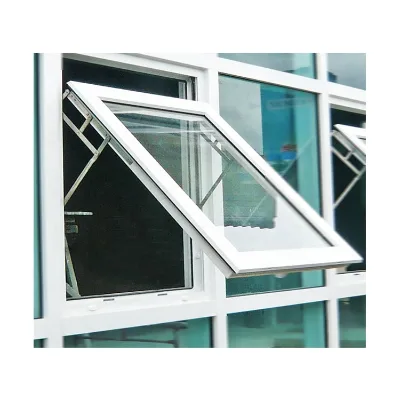

Custom Roof Windows Skylight Aluminum Glass Horizontal Automatic Sliding Skylight
$140.00 - $200.00
MOQ: 1 Square Meters


Comprehensive Sourcing Guide
Magnetic Screen Aluminium Skylight Sourcing Guide
The Magnetic Screen Aluminium Skylight represents a specialized integration of ventilation control and security within overhead glazing systems, designed primarily for residential and commercial atriums where airflow management is critical. Based on observed market listings, these units function as invisible, heat-insulating, and soundproof barriers that simultaneously offer anti-theft, airproof, dust-proof, and insect-proof capabilities. The core value proposition lies in the ability to maintain a clear view and natural light while preventing unauthorized access or environmental intrusion, making them suitable for high-traffic areas where traditional screens might be visually obtrusive or mechanically prone to failure.
Procurement of these units requires a nuanced understanding of the "magnetic" mechanism, which often refers to the sealing interface or the attachment method for the insect-proof netting rather than a standalone magnetic locking system for the entire frame. The observed product data indicates a strong emphasis on modern and German-style aesthetics, utilizing aluminum alloy frames with specific profile thicknesses ranging from 1.4mm to 2.5mm. Buyers must distinguish between fixed skylight models and those with opening patterns, as the magnetic screen functionality is most relevant to units designed for horizontal or vertical opening strokes, ensuring the screen retracts or seals effectively when the window is in operation.
Product Scope and Observed Listing Signals
The product scope for magnetic screen aluminium skylights encompasses a variety of configurations, including top-hinged, outward, and inward opening mechanisms that accommodate different roof structures. Observed listings highlight a diverse range of glass types, from double tempered glass to insulated and low-E glass, with thicknesses varying from 5mm to 10mm or complex insulated units like 5+12A+5mm. The frame materials are predominantly aluminum alloy, often in grades 6063-T5 or 6061-T6, which provide the necessary structural rigidity to support the glass and the magnetic screening components without warping under thermal expansion or wind load.
Listing signals indicate that customization is a primary driver for this category, with buyers frequently requesting specific aperture sizes, frame colors, and control modes ranging from manual operation to electric remote or smart app control. The surface finishing processes observed include powder coating, anodizing, electrophoresis, and wood grain transfer, allowing for seamless integration with various architectural styles. It is critical for buyers to verify whether the "magnetic" feature is an integrated part of the frame design or an add-on accessory, as this distinction impacts the overall structural integrity and the ease of maintenance for the screen netting, which is typically made of fiberglass.
Technical Specifications to Verify
When evaluating technical specifications, the profile thickness of the aluminum frame is a non-negotiable metric that directly correlates with the unit's durability and wind resistance. The observed data suggests a standard thickness of 2.0mm for high-performance models, though options exist ranging from 1.4mm to 2.5mm; buyers should prioritize the thicker profiles for skylights in regions prone to high winds or heavy snow loads to prevent frame deformation. Additionally, the glass thickness and configuration, such as 5+27A+5mm or 5+9A+5mm, must be verified to ensure adequate thermal insulation and soundproofing, with observed sound insulation ratings reaching up to 40db for premium configurations.
The sealing material and hardware quality are equally critical for the longevity of the magnetic screen mechanism. The supply chain data points to the use of EPDM or silicone rubber strips for sealing, which are essential for maintaining the airproof and dust-proof claims of the product. Buyers must confirm the compatibility of the magnetic screen with the specific opening stroke of the skylight, as the stroke is often customizable but must be precisely engineered to ensure the screen aligns perfectly with the frame when closed. Furthermore, the control mode, whether manual or electric, must be compatible with the weight of the glass and the resistance of the magnetic seal to ensure smooth, reliable operation over time.
Compliance and Safety Documentation
Compliance with international and regional engineering standards is a prerequisite for sourcing magnetic screen aluminium skylights, particularly for projects in Australia, Europe, or North America. The observed product listings frequently cite certifications such as CE, AS2047, and NFRC, which validate the product's performance against specific safety, thermal, and structural benchmarks. Buyers should request current certification documents that explicitly cover the specific model and configuration being purchased, as these standards often dictate the minimum requirements for glass safety, frame strength, and operational safety in overhead applications.
Safety performance claims, including anti-explosion and anti-ultraviolet (UV) protection, must be substantiated by third-party test reports rather than relying solely on marketing descriptions. The engineering standards referenced, such as JGJ 113 and GB50210, provide a framework for verifying that the skylight meets local building codes regarding fall protection, wind pressure resistance, and thermal performance. It is essential to ensure that the "Safety Performance" attributes, such as the use of tempered or laminated tempered glass, are documented in the product specifications to guarantee that the unit will not shatter dangerously in the event of impact or extreme weather conditions.
Cost Drivers and Commercial Terms
The cost of magnetic screen aluminium skylights is heavily influenced by the complexity of the customization, the thickness of the aluminum profile, and the type of glass selected. Observed price ranges in the market span from approximately $41.8 to $400 per unit, reflecting the significant variance between basic models with standard glass and high-end units featuring double tempered glass, electric controls, and specialized surface treatments like PVDF or wood grain transfer. Buyers should anticipate that custom aperture sizes and specific color requirements will incur additional charges, as these deviate from standard production runs and require unique tooling or manual assembly.
Commercial terms, including Minimum Order Quantity (MOQ) and lead times, vary significantly based on the supplier's capacity and the level of customization required. The observed MOQ range spans from 1 to 100 units, offering flexibility for small residential projects while potentially requiring higher volumes for large commercial developments. Packaging is a critical cost factor, with observed methods including EPE foam packing inside and wood crate packing outside, or tight wrapping with bubble wrap to prevent damage during transit. Buyers must clarify whether the quoted price includes freight, insurance, and customs duties, as these logistics costs can substantially impact the total landed cost of the project.
Supplier Qualification and Quality Control
Supplier qualification for magnetic screen aluminium skylights should focus on the manufacturer's origin and their adherence to established production standards. The majority of observed listings originate from Foshan City, Guangdong Province, China, a hub known for aluminum profile manufacturing and glazing assembly. Buyers should verify that the supplier has a proven track record of exporting to the target market and possesses the necessary engineering capabilities to handle custom specifications, such as the 2026 series or specific operative norms like GB/T 8479.
Quality control processes must be rigorously defined to ensure that the magnetic screen mechanism functions reliably and that the frame finishes are consistent. Suppliers should demonstrate a commitment to surface treatment quality, whether through powder coating, anodizing, or wood grain transfer, and provide evidence of their internal testing protocols for sealing integrity and hardware durability. It is advisable to request samples of the finished product to inspect the alignment of the magnetic screen, the smoothness of the opening mechanism, and the overall finish quality before committing to a large order, ensuring that the final product meets the aesthetic and functional expectations of the project.
Long-Term Procurement Checks
Long-term procurement success depends on establishing a clear maintenance and warranty framework that addresses the specific wear points of magnetic screen systems. Buyers should verify the availability of replacement parts, such as magnetic strips, sealing rubbers, and hardware components, to ensure that the skylight can be serviced without requiring a complete unit replacement. The durability of the fiberglass screen netting and the resistance of the aluminum frame to corrosion are key factors that will determine the lifespan of the installation, particularly in coastal or high-humidity environments.
Regular performance audits and supplier relationship management are essential for maintaining the quality of the supply chain over time. Buyers should establish a protocol for periodic inspections of the installed units to check for seal degradation, frame warping, or screen misalignment, which can compromise the heat insulation and soundproofing properties. By maintaining open communication with the supplier regarding any operational issues and ensuring that the supplier remains compliant with evolving safety standards, buyers can mitigate the risk of premature failure and ensure the long-term reliability of their Magnetic Screen Aluminium Skylight investments.
FAQs
What materials are used for the frame and screen?
The frame is constructed from Aluminum Alloy, specifically grades 6063-T5 or 6061-T6, with a profile thickness of 2.0 mm. The screen netting material is Fiberglass, providing durability and insect protection. Some models also utilize Aluminum Wood Composite for enhanced aesthetic appeal and structural integrity.
Can the skylight be customized for specific sizes?
Yes, customization is available for both the opening stroke and aperture size. The aperture size is customizable according to the roof opening requirements. Additionally, frame colors such as white, black, gray, or brown can be selected, and surface treatments like powder coating or PVDF are offered to meet specific design preferences.
What certifications do these skylights hold?
These skylights hold CE, AS2047, and NFRC certifications. They also comply with engineering standards such as JGJ 113 and GB50210. These certifications ensure that the products meet rigorous safety, performance, and quality standards for international markets, providing assurance for both residential and commercial installations.
How effective is the sound insulation performance?
The skylights offer high sound insulation with ratings of 30db, 35db, or 40db. This performance is achieved through the use of double tempered glass with configurations like 5+27A+5 mm. The combination of robust aluminum frames and effective sealing materials ensures significant noise reduction for a quieter indoor environment.
What glass options are available for these units?
Available glass options include tempered glass, laminated tempered glass, and insulated glass. Thicknesses range from 5mm to 10mm, with insulated options like 5+12A+5mm. These glass types provide safety, UV protection, and thermal insulation, ensuring the skylights meet various functional and aesthetic requirements for different building applications.
Where are these skylights manufactured?
These skylights are manufactured in Foshan City, Guangdong Province, China. The production facilities adhere to strict engineering standards and utilize advanced surface treatment processes. This location is a major hub for aluminum profile manufacturing, ensuring efficient supply chains and consistent quality control for global export orders.